

Te Maiharoa, was born at Te Wai-a-te-rua-ti, in the Arowhenua area near Te Umukaha (Temuka), early in the nineteenth century. His father was Te Rehe and his mother was Kokiro, both of Waitaha descent.
Te Maiharoa was a peaceful and intelligent man. He farmed at Te Wai-a-te-ruati, he was literate and politically aware and he was learned in the traditions of Waitaha, Ngati Mamoe and Ngai Tahu.
Te Maiharoa was exposed to the Kaingarara religion in the 1860’s and his religious beliefs and rakatirataka (self-determination) developed during this period. He became a respected tohuka and prophet for his people, carried out ceremonies to remove tapu from objects and localities, and was said to perform miracles.
Te Maiharoa led a heke from Waiateruati in June 1877 crossing over the Waitaki River on their way to Te Aomarama (near Omarama)
Te Heke Ki Te Ao Marama –The Promised Land- (The Migration to Enlightenment)
Te Maiharoa claimed that the lands beyond Kurow were kaore ano i hokona (commonly called the hole in the middle) and had not been sold to the Crown. He also strongly advocated that the million and a half acres between Ashburton to Maungatua (Taieri) was never sold and therefore remained ancestral land.
Our tupuna concluded that protests to local government had no effect and that the physical occupation of the land was the only path forward to retain tino rakatirataka and to preserve tribal traditions.
Te Maiharoa led 150 of his people from Waiateruati in June 1877 crossing over the Waitaki River on their way to Te Aomarama (near Omarama), a journey of almost 200 kilometres. Photo below from 1877 from the Hocken Library titled The Heke (The Migration) to Omarama.

1878 Sep Te Maiharoa sent a letter to Mr Sheehan from the interior, Omarama.
1878 Nov Sheehan dismisses Waitaha claims and travels to Te Ao Marama to tell Te Maiharoa to leave and return to established Maori Reserves
When order was refused, the MHR for Southern Maori, Hori Kerei Taiaroa argued that setting up the Commission on Middle Island Native Land Purchases (the Smith–Nairn commission) in March 1879 would resolve Waitaha grievances more effectively than continued occupation of the land.
1879 April He travelled to Te Ao Marama but his representations were met with a refusal.
1879 August After further complaints from the runholders, Sheehan issued an eviction order, and a party of 12 armed constables was dispatched from Oamaru, under Inspector Andrew Thompson. Together with local reinforcements they arrived at Te Ao Marama on 11 August 1879 and gave the inhabitants 48 hours to quit. The Moeraki leader Rawiri Te Maire was briefly arrested and a violent confrontation narrowly averted before Te Maiharoa and his people began to make their way back to the coast
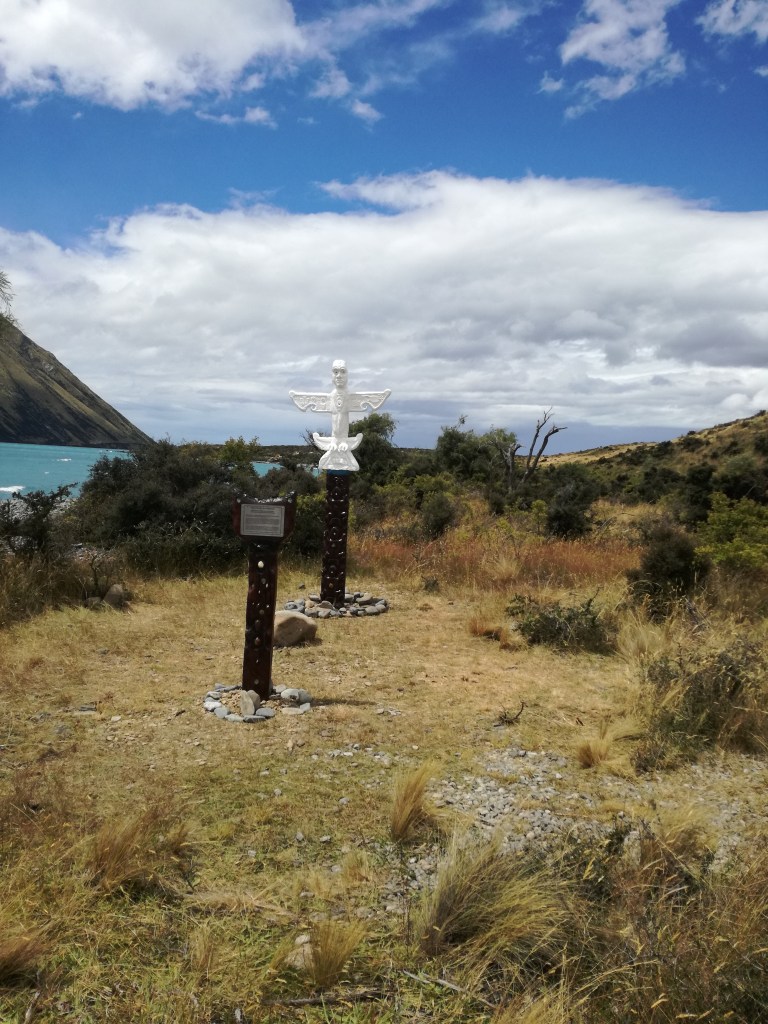
As his twelve disciples waited below, the Waitaha spiritual leader Te Hipa Te Maiharoa ascended the sacred mountain Mauka Atua beside lake Ohauiti, on a vision quest. Upon the summit which he received a vision to move his people living at Te Aomarama, to the ancient Waitaha Kaika site at Korotuaheka at the Waitaki river mouth.
dav 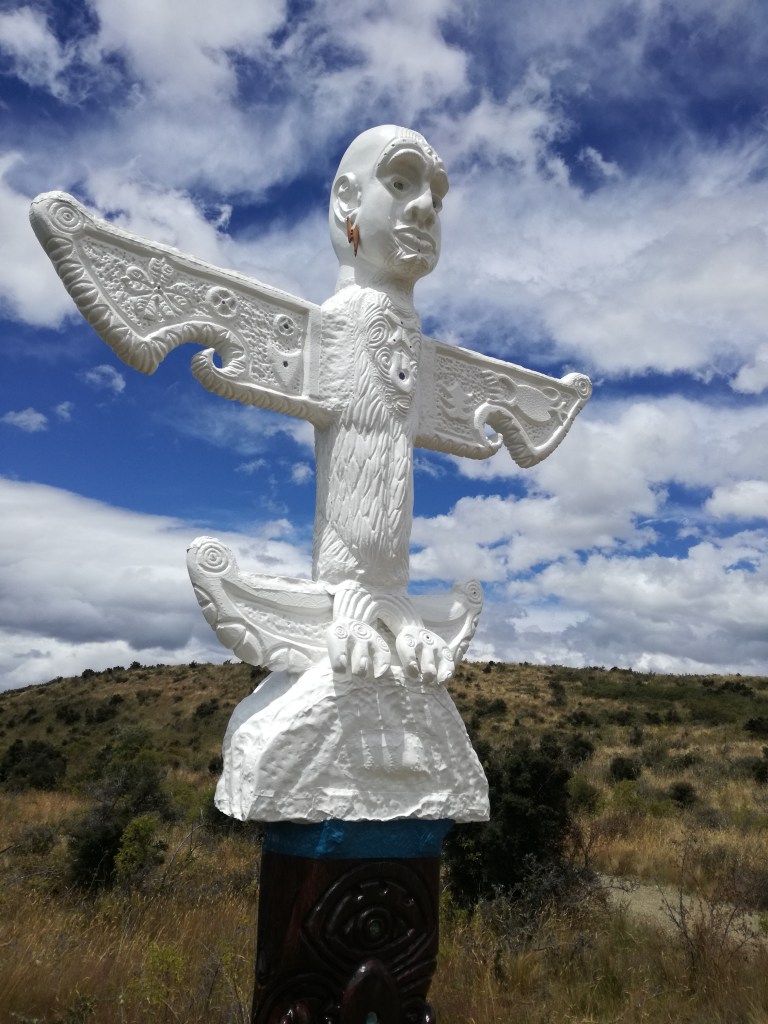
dav 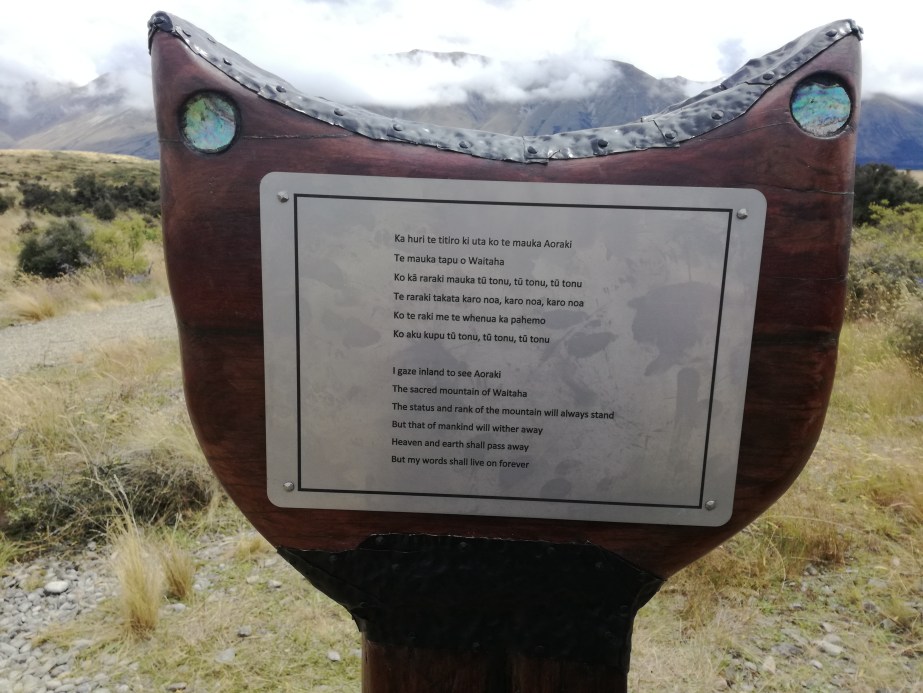
dav 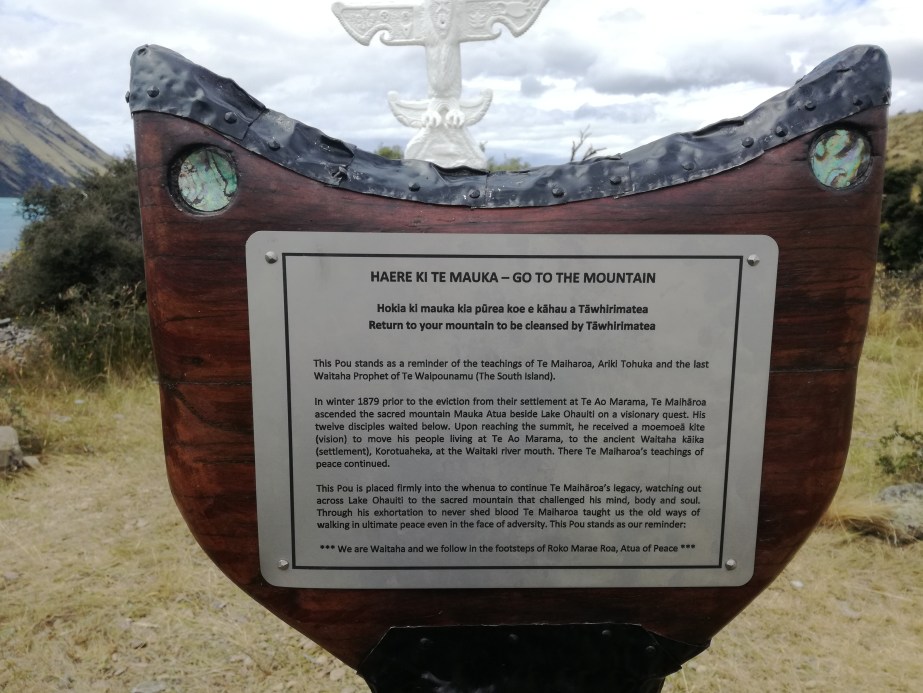
dav
 Waitaha Taiwhenua o Waitaki
Leave a comment