
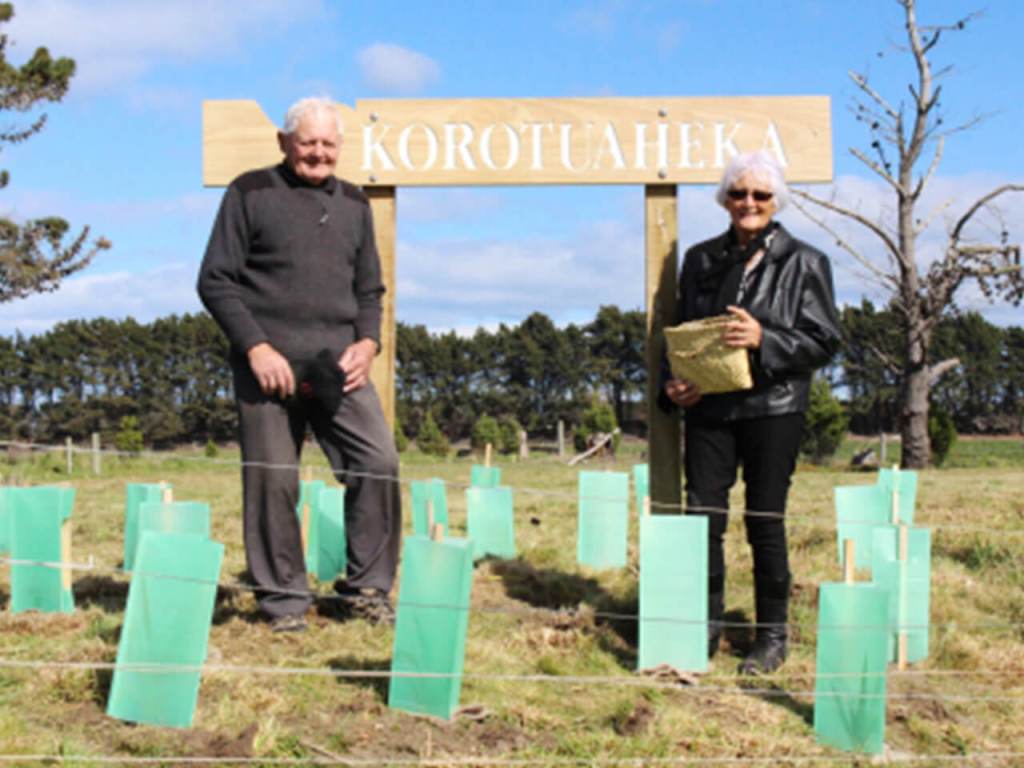
The kaika site at the mouth of the Waitaki River was occupied by the Waitaha over 1000 years ago.
One of the most significant catalogued collections of artifacts in New Zealand were found on our ancient Korotuaheka site. Over 9000 items have now been found and tagged in what is now known as “the Willetts Collection”.
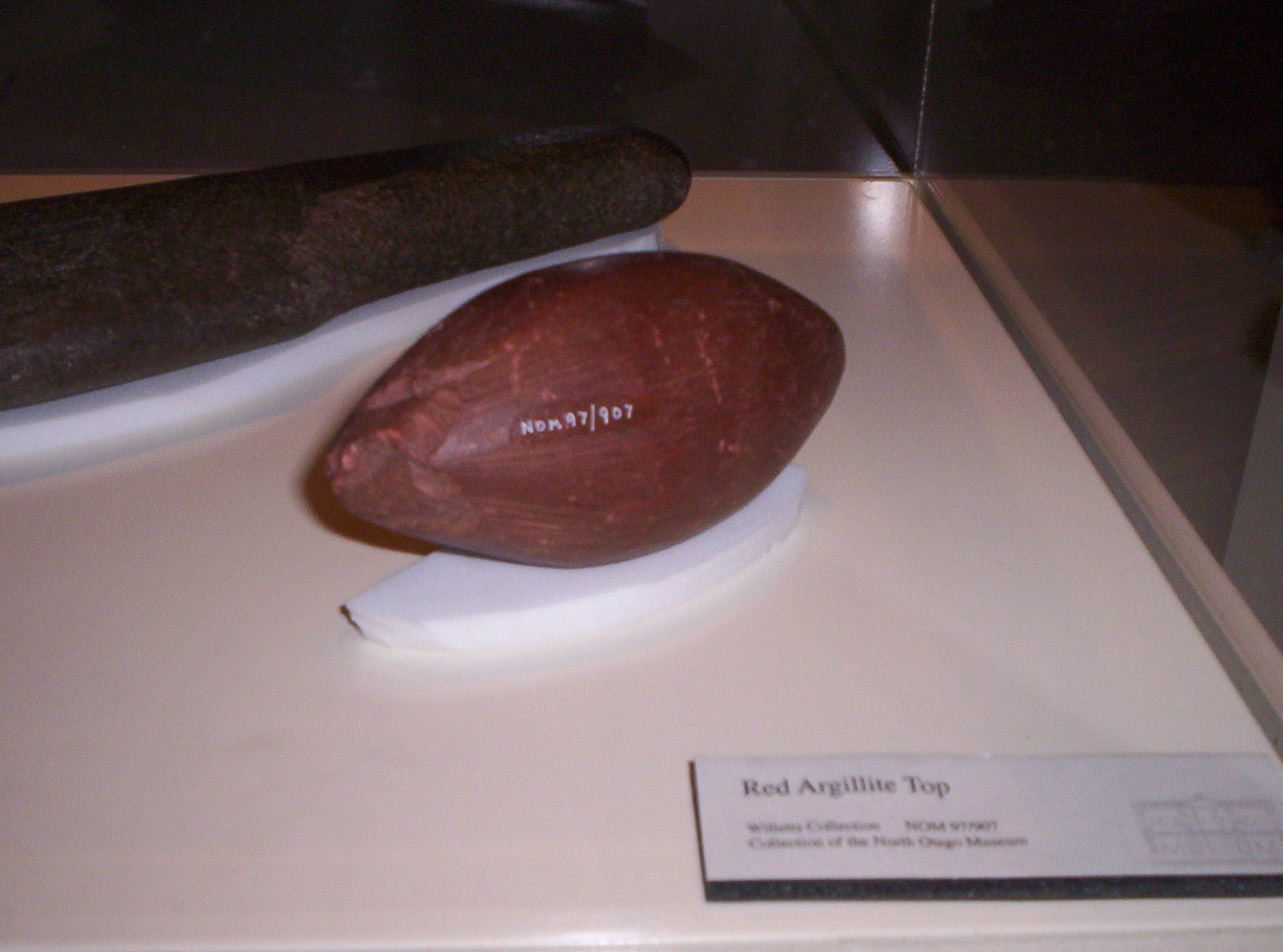
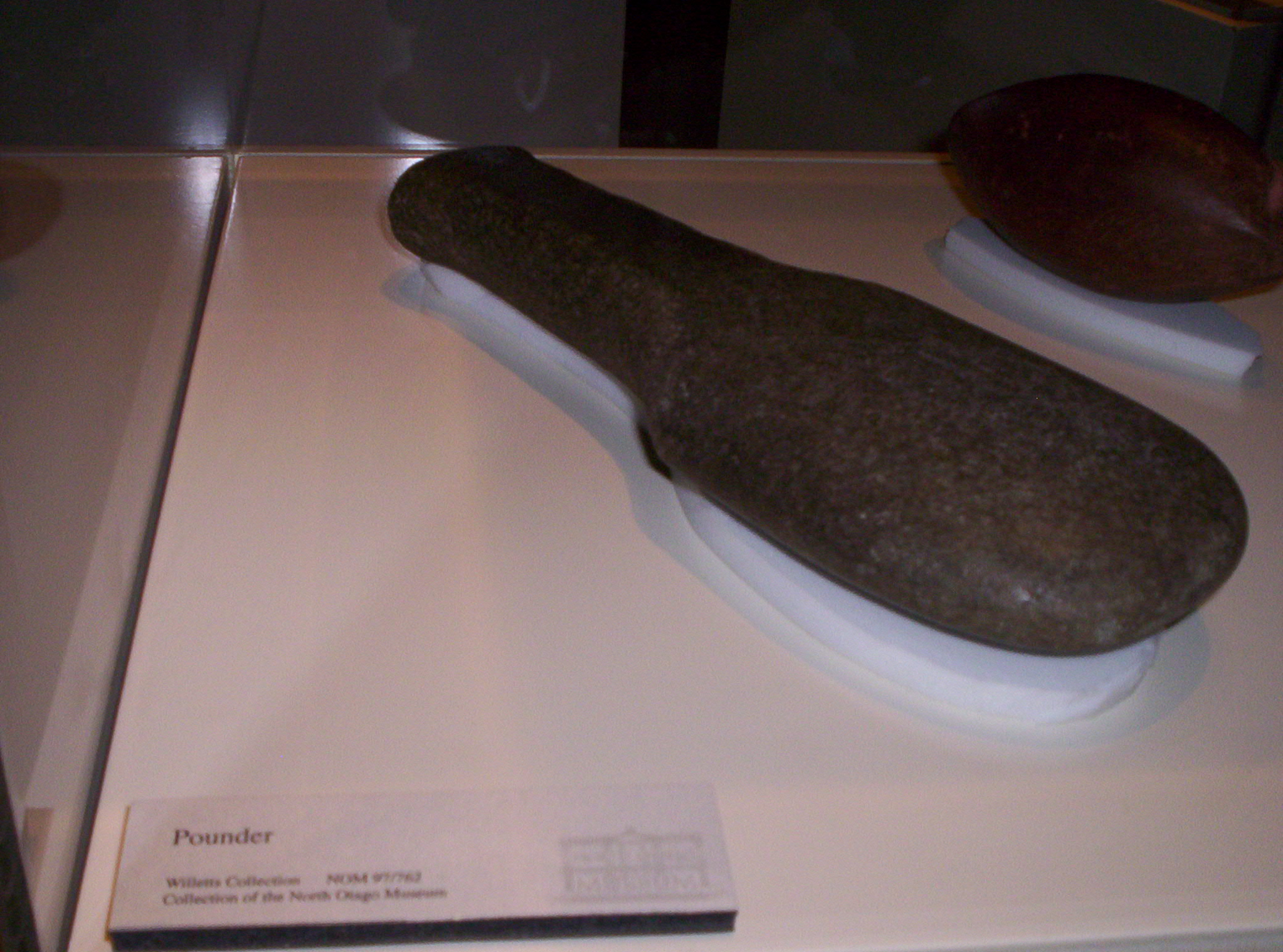
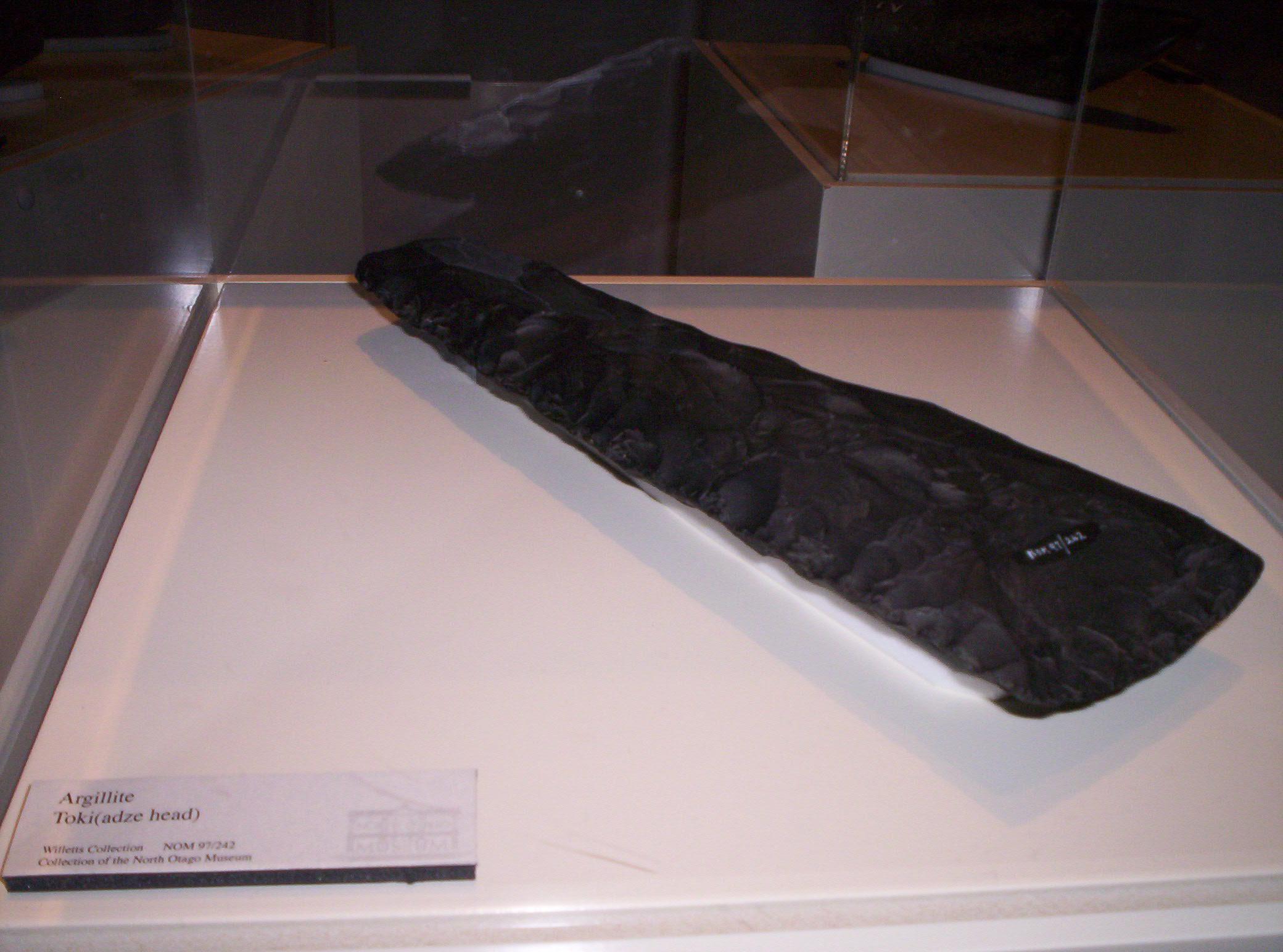
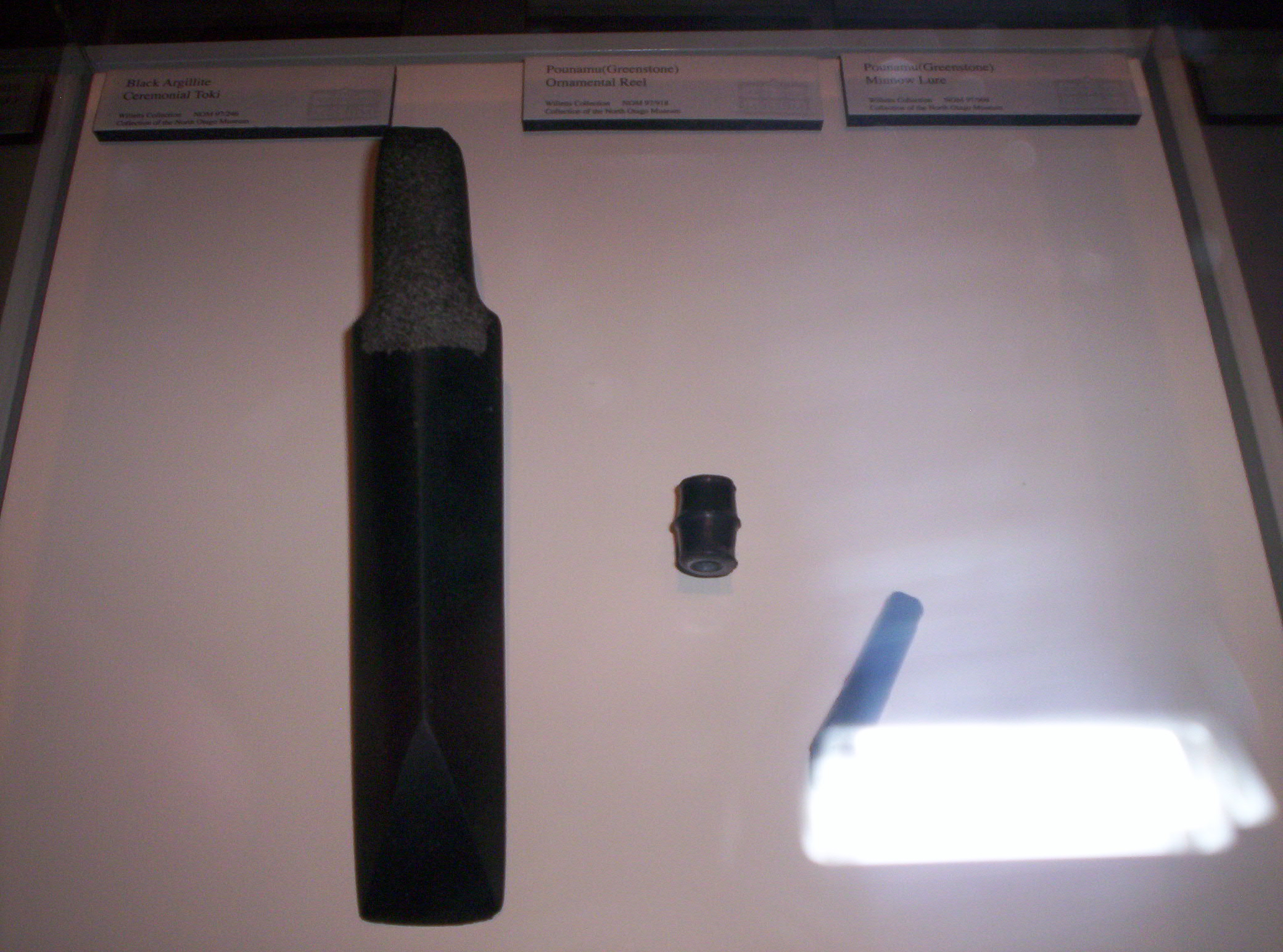
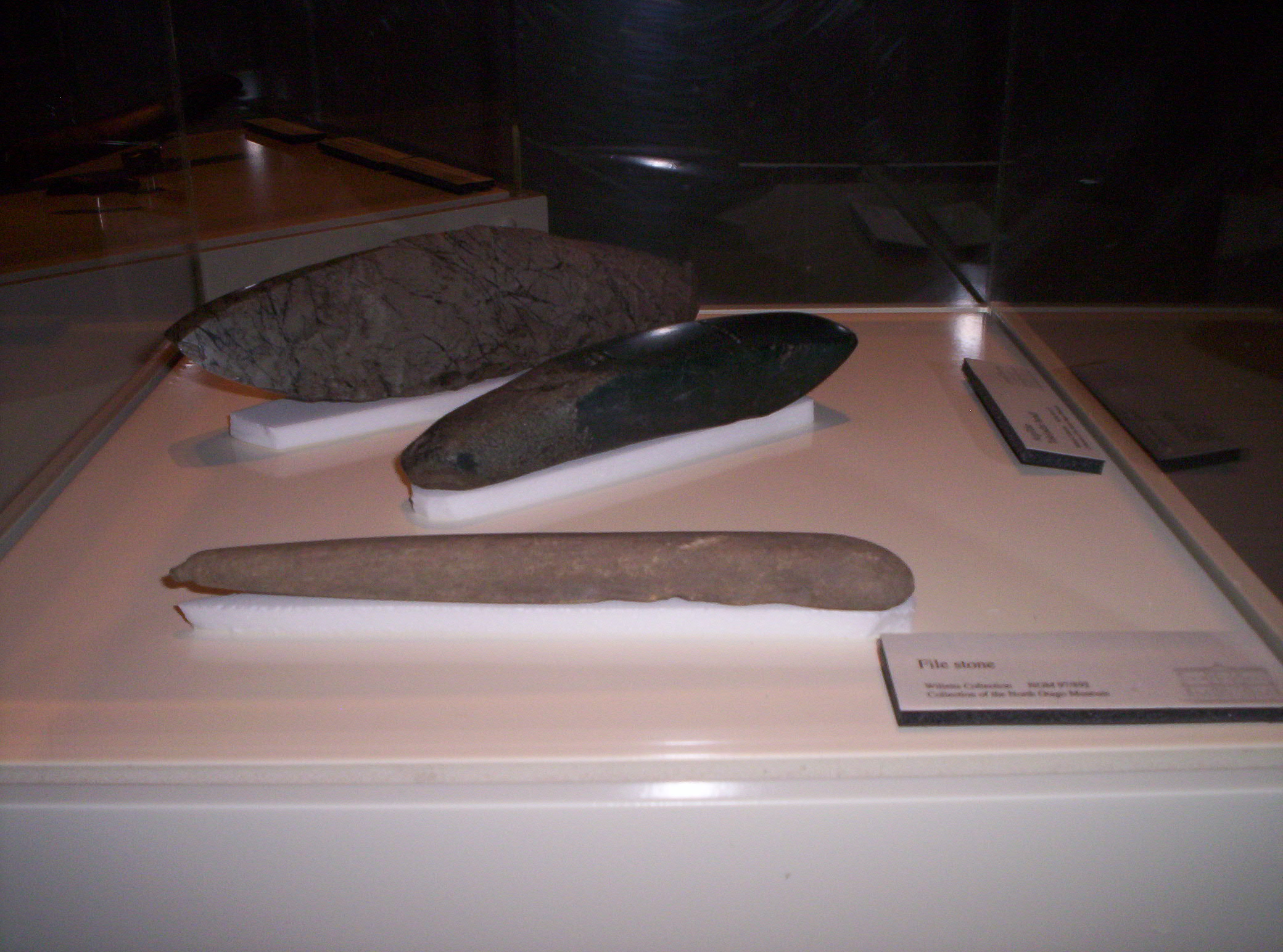
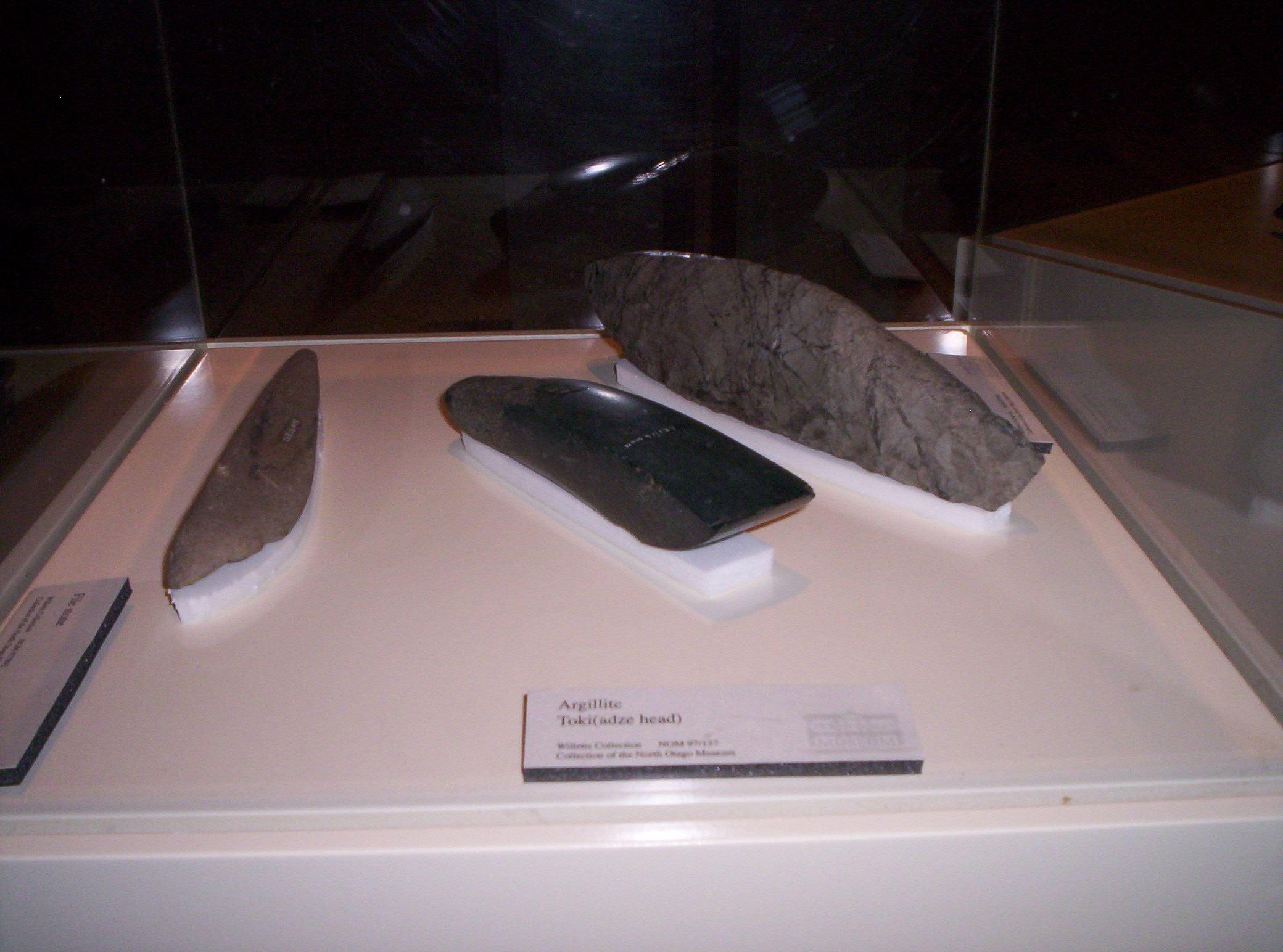
Although the site was known by early European settlers, it was not until 1952 that a major discovery was made. the owner of the property Mr Stewart Willetts, a farmer, decided that the only way he could bring the rough gorse, matagouri and tussock land into full production was to cultivate it. Using a single furrow plough, he began to open up the land. it was not long before the earth began to give up it’s secrets – five beautiful adzes suddenly appeared in the top of the furrow. The next time round another six were unearthed. The excitement of this find was matched by a curiosity about the artifacts and their origins.
Each time the land was worked more material was recovered. Through their affinity with the land, the Willetts family recognised the historic value of these artifacts and established the present nationally important collection.
Without their appreciation and insight, these wonderful treasures – skilfully crafted in a bygone age – would be lost.
Waitaha Trust chairwoman Anne Te Maiharoa-Dodds said the way the tools were uncovered in the 1950s intrigued her.
“When it was ploughed, when the furrow turned over the soil, all the artefacts were laying there,” she said. “It makes you wonder why. It was just under the surface. It must have been placed there, but why would they have it all laid out in a huge pattern?”
14 June 18 – The North Otago Museum’s Willetts Collection numbers more than 9000 items. Now, it is the subject of a research project that could last two years, as University of Otago director of Southern Pacific archaeological research Prof Richard Walter leads a team looking into the “very, very, significant collection” that represents “probably first or second generation” people in New Zealand…..
“We had always assumed in the past that the first generation was very, very small and dispersed, but in fact it looks like the first generation settlers were quite well-equipped, skilled and they lived in quite dense settlements,” Prof Walter said.
Recent work in the area had shown the initial understanding of how Polynesians colonised New Zealand was incorrect. Stone from across New Zealand appearing in sites showed a sophisticated trading network was established early in the 14th century as people began to arrive on New Zealand’s shores.
“We see now the 14th century, particularly the first half of the 14th century, as being the colonisation phase, so I want to know what industries were taking place, the stone tool industry and the manner in which material was being moved around the country, because it’s all linked to the colonisation process, in some way the exchange networks and mobility, the movement of people, that we can trace through the movement of stone.
 Waitaha Taiwhenua o Waitaki
Leave a comment